Maxtec and Perma Pure are now united under Salaera. →Learn More
Heat Tape
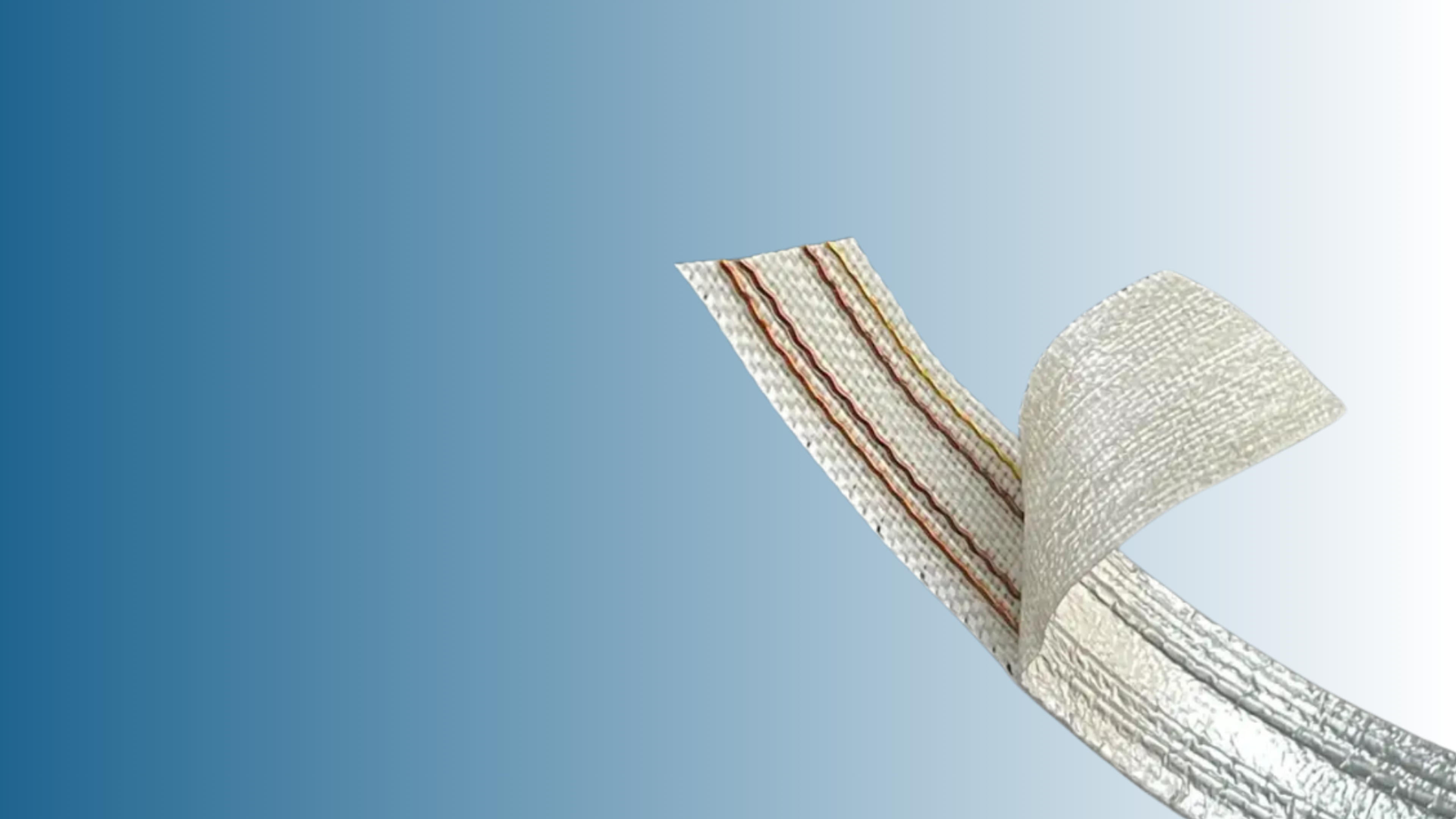
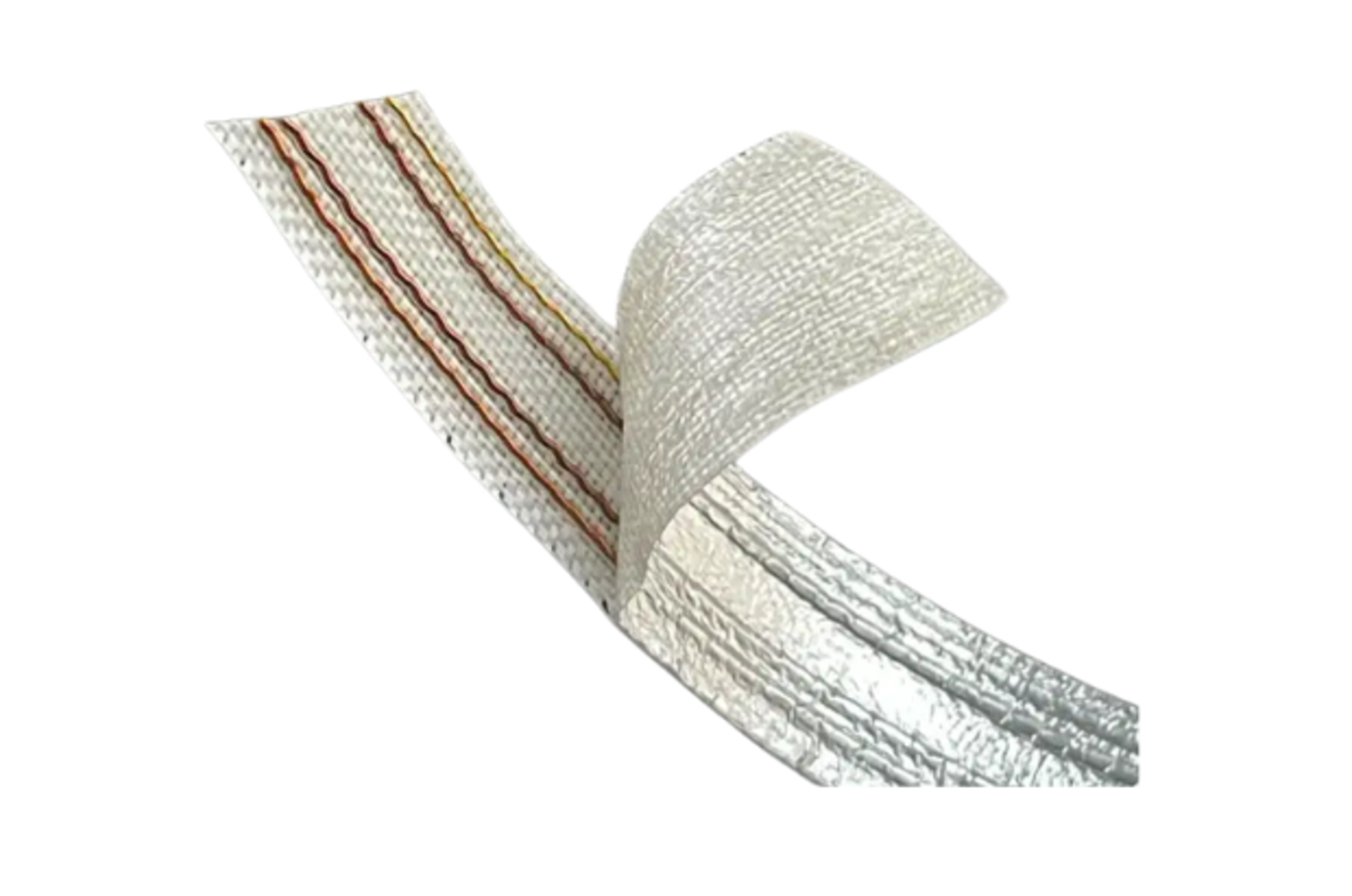
Heat Tape, made by Clayborn Lab, helps to optimize process performance by providing the precision, accuracy, and durability that engineers and technicians need for heating solutions across industrial, process, and analytical applications.
The Benefits of using Clayborn Heated Sample Lines & Heat Tape
Variety of Resistances
Heat Tape can be made with a wide variety of resistances for specific voltage, wattage and temperature requirements with a thickness of less than 1/64”
Enhances Heat Transfer
Thermally conductive adhesive enhances heat transfer for lightweight, yet rugged, construction
Download Links
Optimize your projects & discover more about our solutions with resources from our global team.
Automated wrapping process provides consistent heating for tubing while Heat Tape Technology eliminates the possibility of cold spots
Sample Transport & Thermal Management|Integrated Sample Conditioning|Gas Sample Conditioning|Environmental|Industrial|Clayborn|Perma Pure
Heat Tape
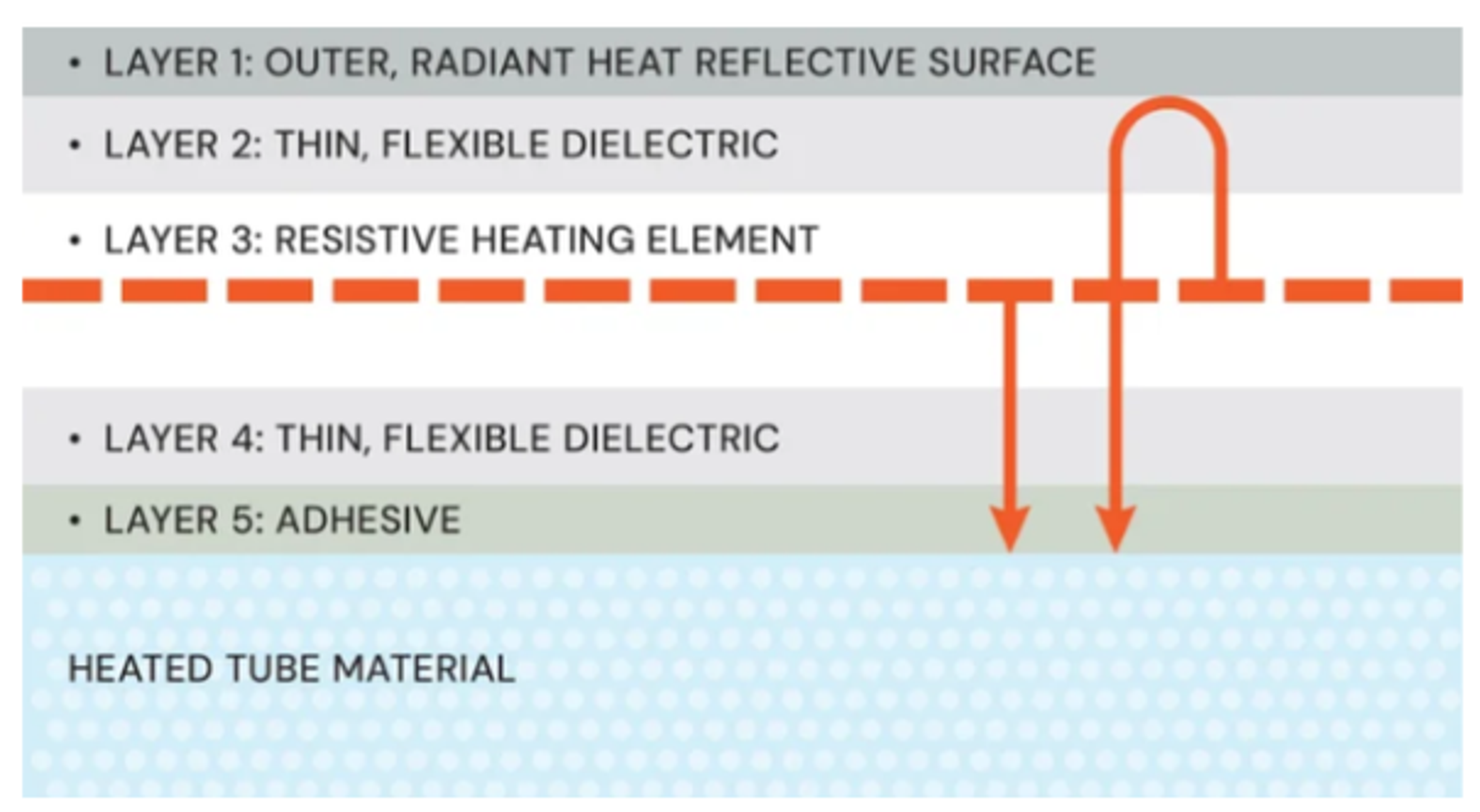
Thermally conductive adhesive is the secret to Clayborn’s extraordinary heat transfer.
Thermal Energy is transferred through both conductive and radiant modes of heat. Radiant energy emitted away from the tube is reflected onto the surface being heated.
Discover Heat Tape:
Clayborn manufactures specific watt density heat tape in 1/2”, 1/4” and 1/6” widths
Highly efficient, thin, flexible architecture
Achieves temperatures up 400 F
Wide ranges of resistance and input voltages allows for precision heating
Ideal for flat surfaces, tubing, and vessels
Bulk Rolls available in 50’ or 100’
Available in silicone and low-outgassing acrylic adhesives
4-conductors (1/2” wide), 2-conductors (1/4” wide), or single conductor (1/6” wide)
Customizable to achieve specific temperature, length, and/or input voltage combination
“Clayborn Lab and its staff have accommodated us greatly with our heating projects for our biomass facility. The heated tubes using Clayborn’s design have minimal power consumption, and they are ideal for long sampling lines.”
– Reinhard Seisesr, University Of California at San Diego